Context & Significance
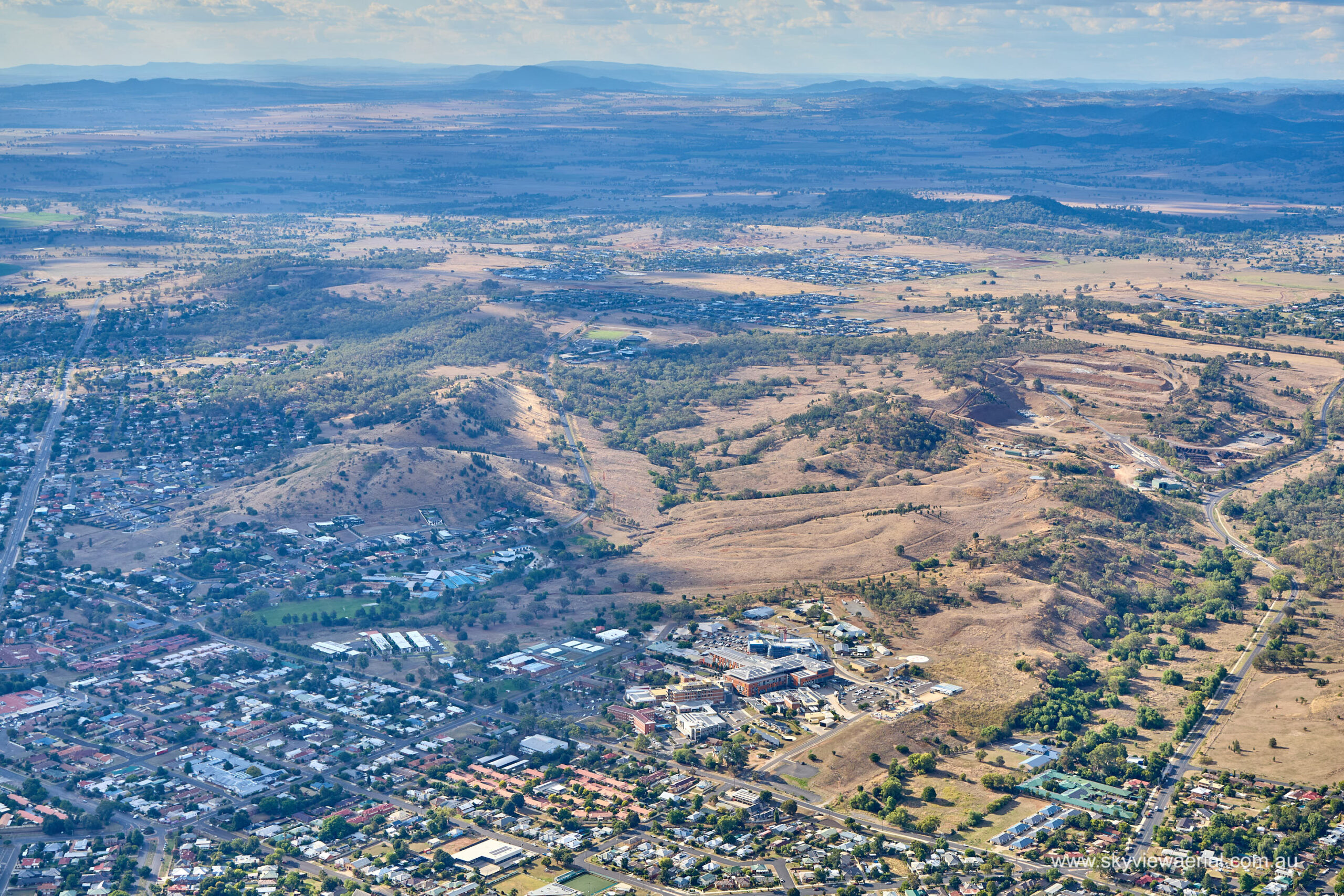
Mental health is a critical issue for Aboriginal communities – and at the former Banksia Unit, around 40% of patients identified as Aboriginal. That made one thing clear: this new facility needed to reflect the needs, values, and experiences of Aboriginal people from the very beginning.
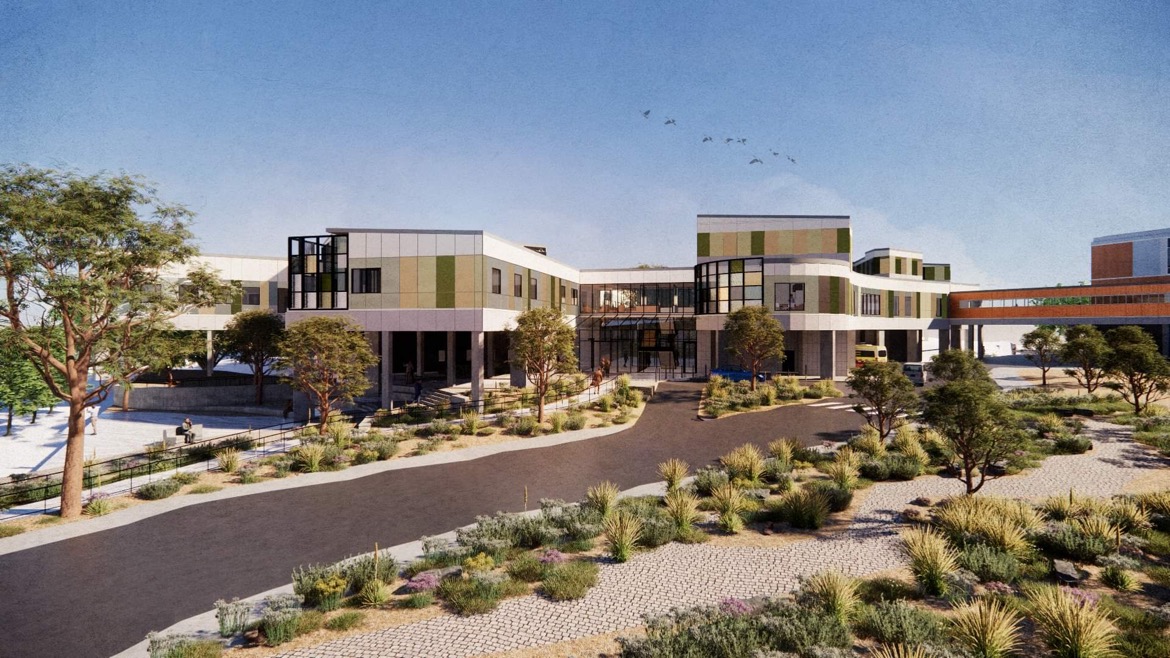
Connecting with Country wasn’t an add-on – it was central to how the Giyaanha Unit was imagined and delivered. Through ongoing collaboration with Elders, cultural practitioners, and community members, the design process focused on creating spaces that support healing on Country, cultural connection, and a deep sense of safety and welcome.
Our Involvement
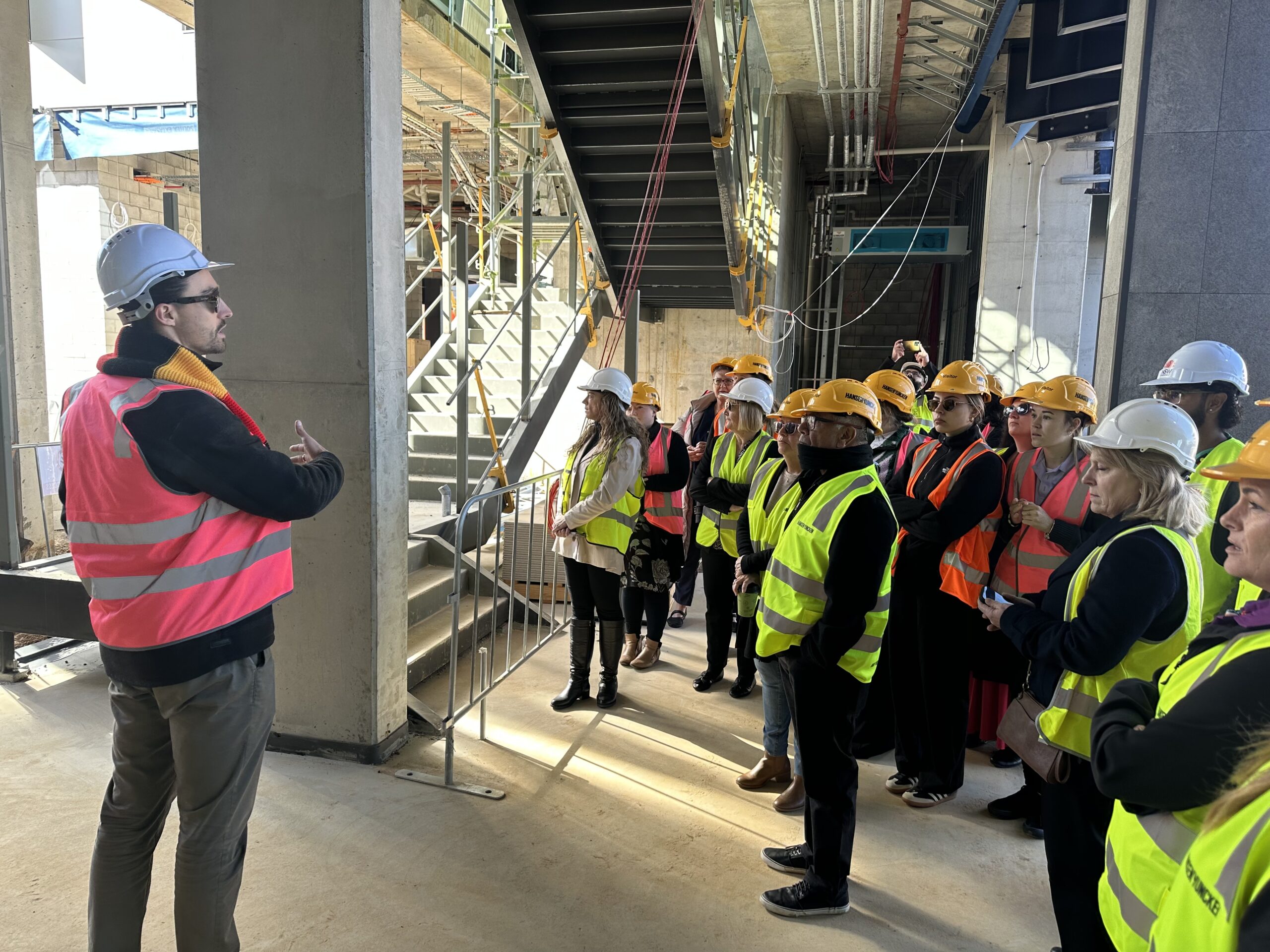
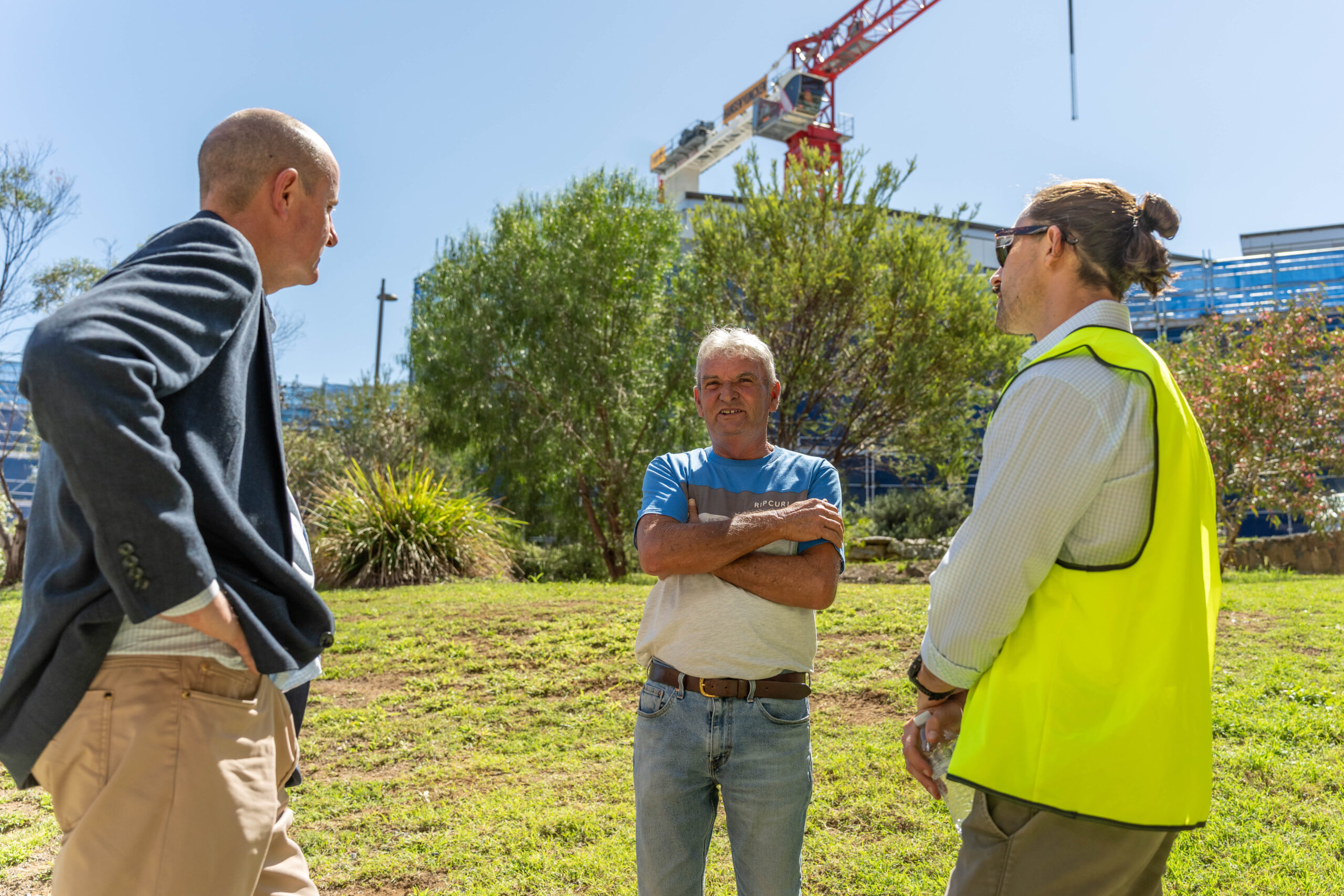
Mara Ba Kumba has led the Connecting with Country process throughout the project, in partnership with local community and the broader project team. Our role included:
- Facilitating Connecting with Country community sessions and cultural design jams
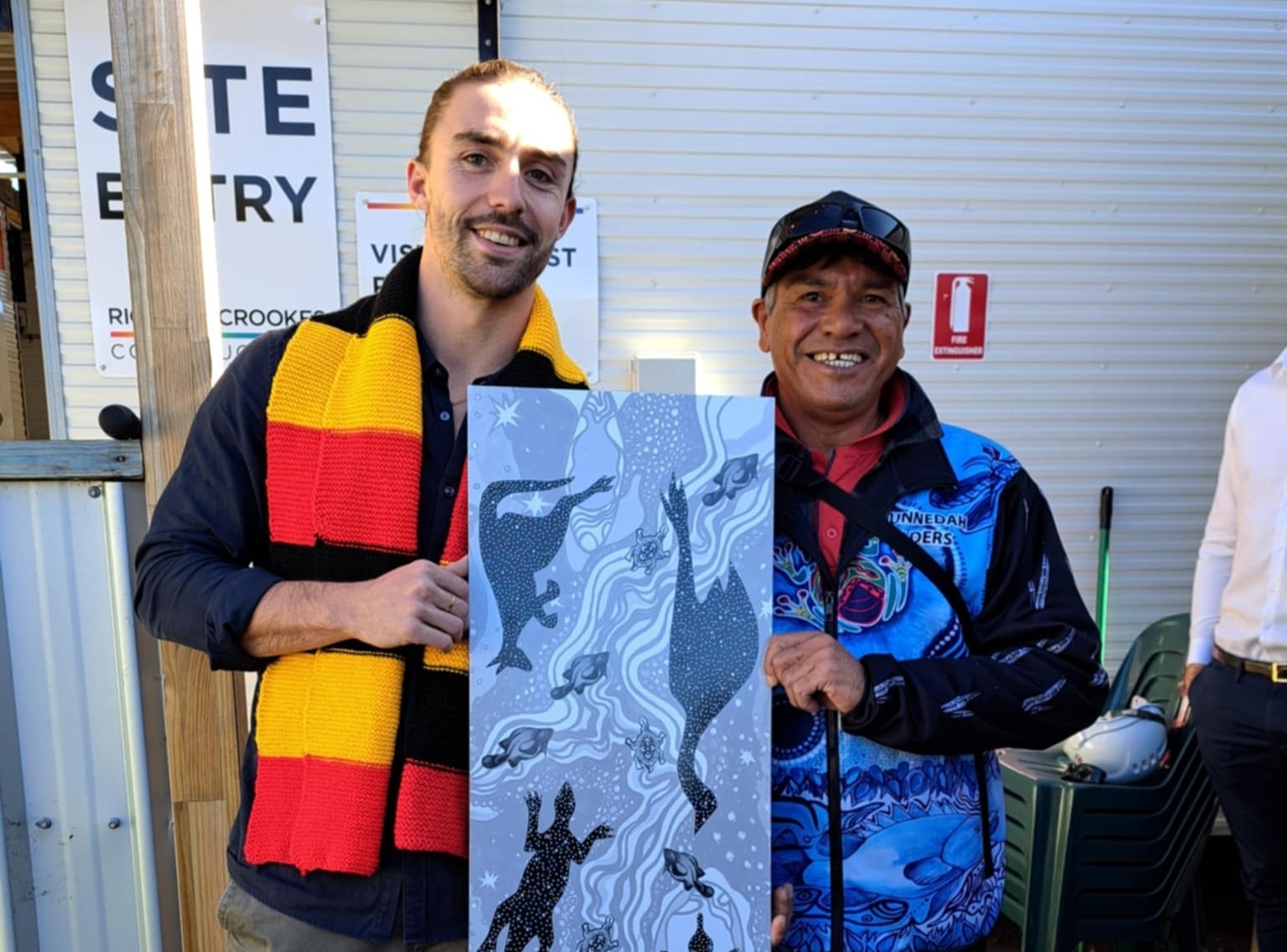
- Partnering with Elders, language holders and artists to shape cultural features
- Embedding community-led ideas into the landscape, wayfinding and building layout
- Ensuring cultural input remained central across all stages of planning and design
This process was built on respect, consistency, and the belief that cultural knowledge belongs at the heart of healing environments.
Our Approach
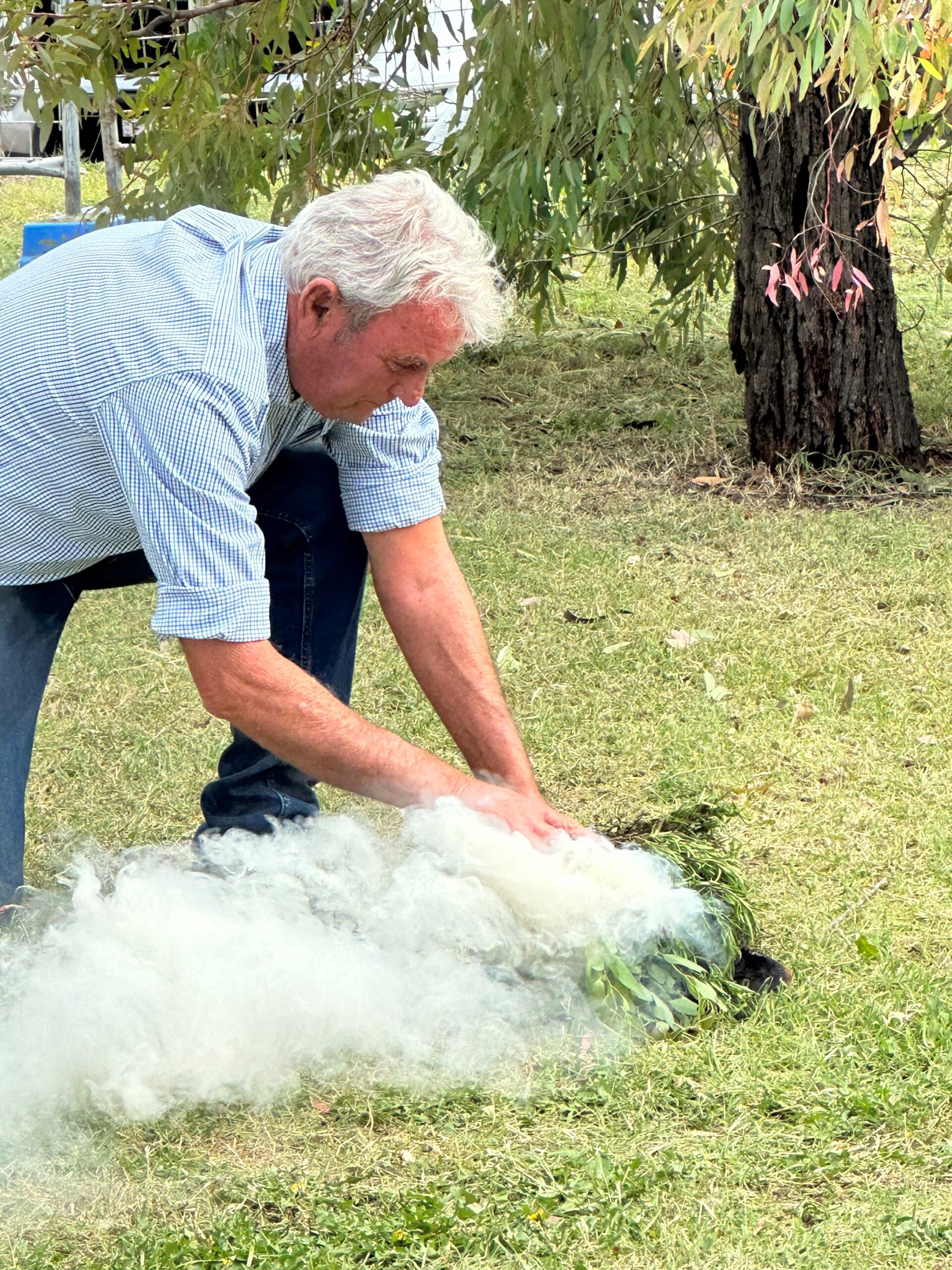
The approach was shaped by what community told us mattered most: connection, comfort, and the healing power of Country. Through workshops and design jams, local Elders and community members helped guide a vision that was deeply grounded in culture. Stories of the sky and stars reminded us of perspective and ancestral presence.
The design of family spaces and gathering areas reflected the importance of cultural safety and connection to kin. And the natural landscape – the textures, plants, water, and light became more than just a setting; it became a vital part of the healing process. These ideas weren’t imposed – they emerged through collaboration, and they shaped the spaces that now help people feel seen, grounded, and at home.
Legacy & Impact
The outcomes of this process are woven into the fabric of the Giyaanha Unit – not just physically, but spiritually and emotionally. Key features include:
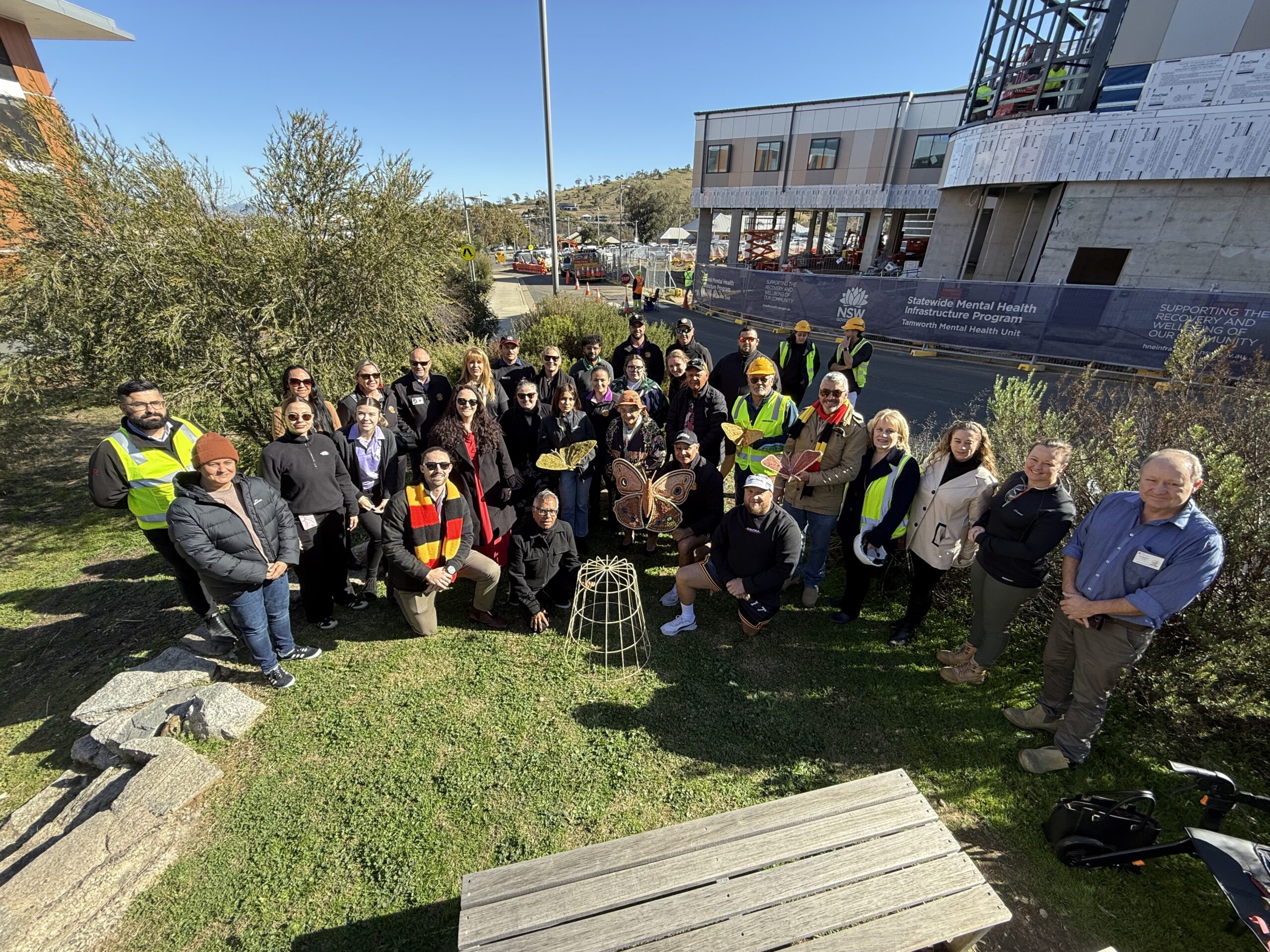
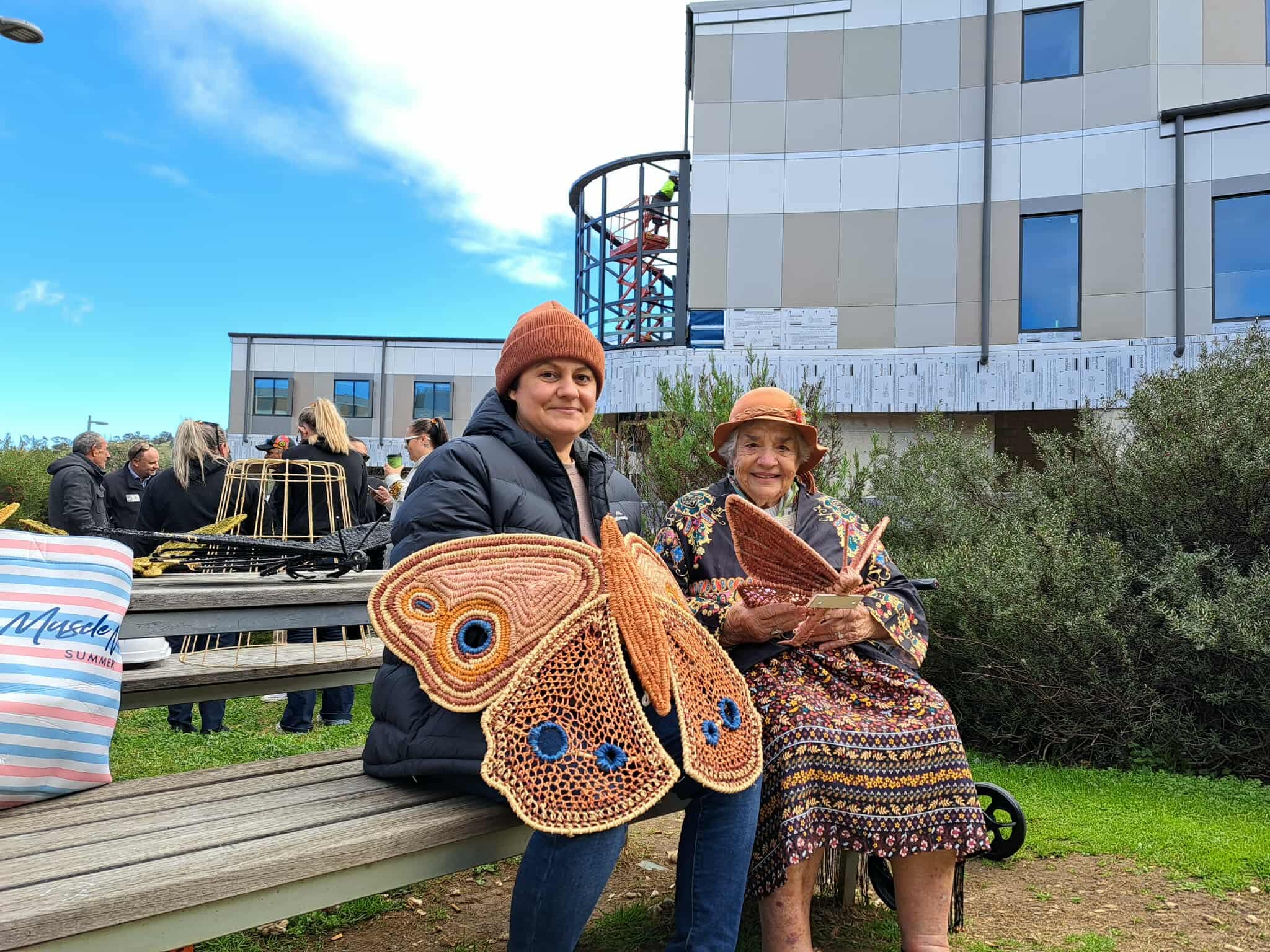
- Woven butterflies by local artist Amy Hammond, suspended through the main stairwell - a gentle reminder of transformation and renewal
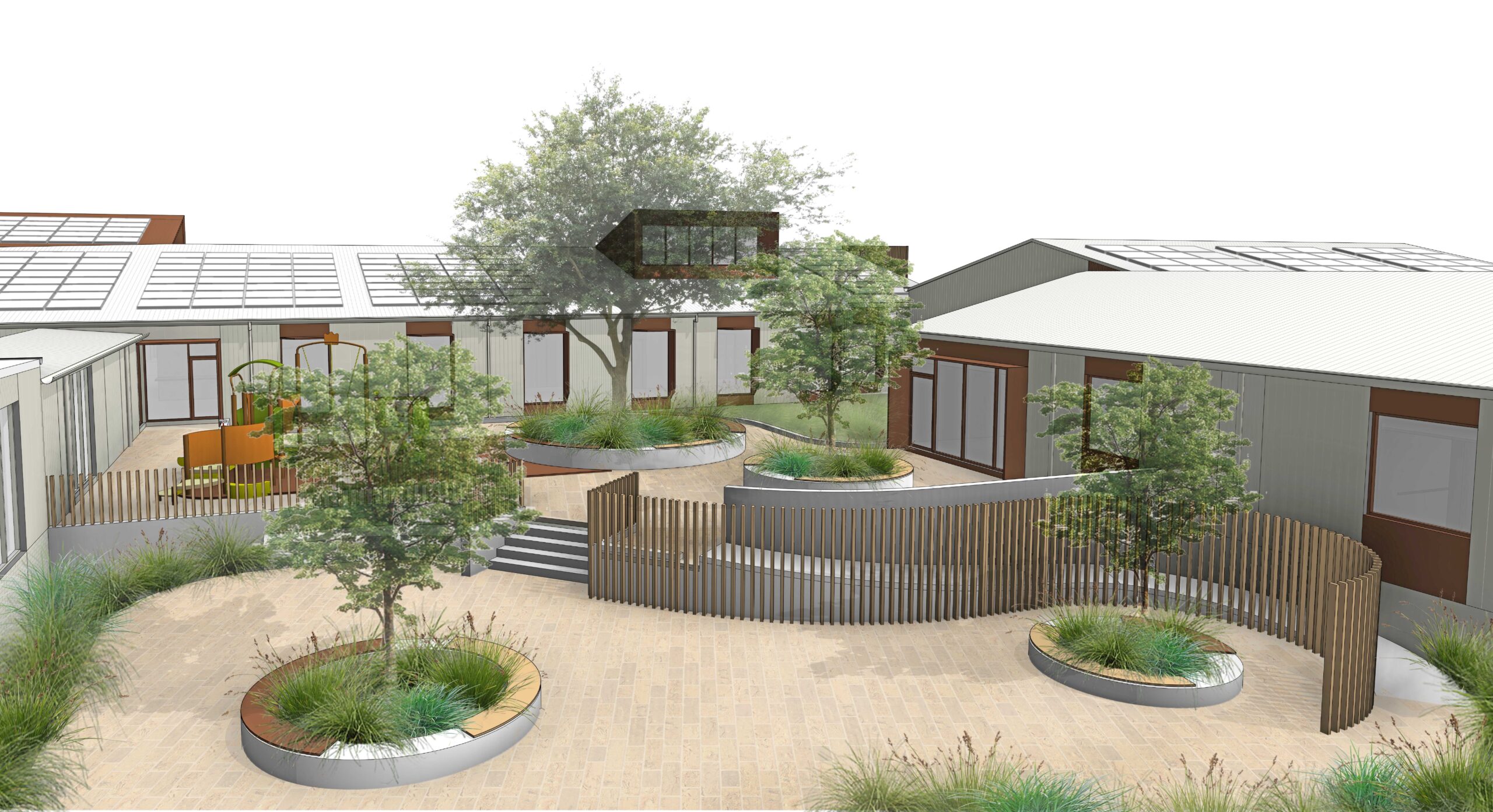
- An adult inpatient courtyard “on Country”, grounded on the high side of the site, offering direct connection to land and natural light
- A family lounge and courtyard off the main entry, providing a culturally appropriate space for large family groups to gather without needing to enter the inpatient unit
- A ceremonial yarning circle in the entry green, dedicated to Uncle Nev Sampson, a respected local Elder and leader
- Kamilaroi language and cultural wayfinding integrated throughout the unit, helping visitors feel grounded and welcome
These outcomes show what’s possible when cultural leadership is embedded from the beginning and when community is given the space to shape what healing looks like, on their own terms.
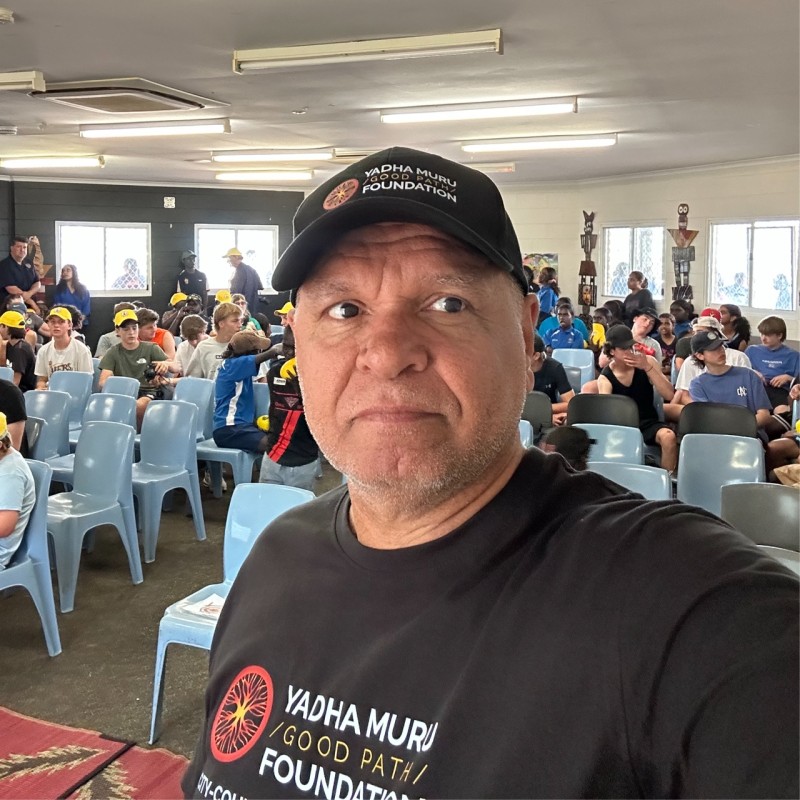
I’ve known Lachlan for many years, watching him grow into a remarkable young man dedicated to advancing the lives of Indigenous people. His commitment is clear in his success managing major infrastructure projects in Tamworth and Gunnedah, delivering real tangible benefits to the communities he served.